Her Account: Dr. Tanya C. McCartney
- Wealth & Financial Services
 Bahamas Invest
- 0
- 8 minutes read
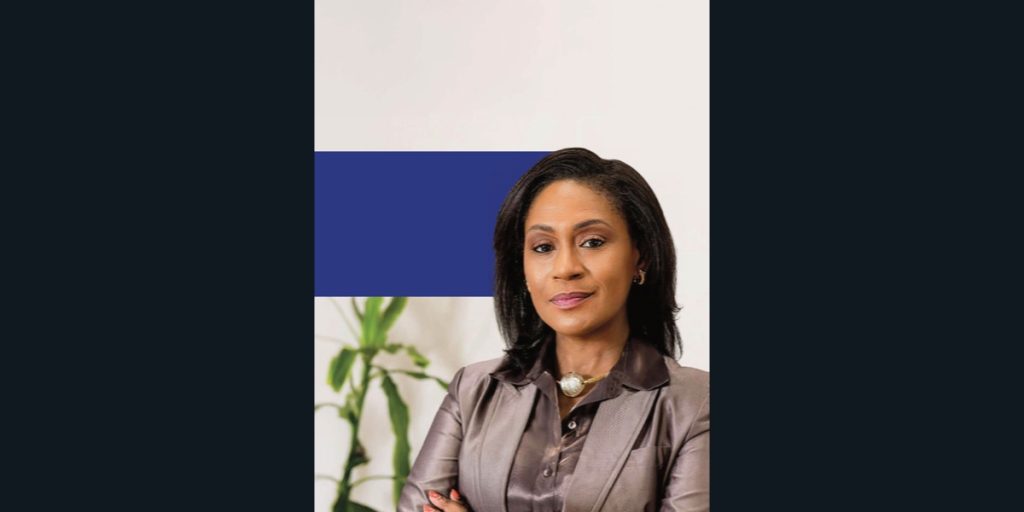
Her Account: Women Shaping the Future of Banking Proprietor of GEM Management and Advisory Services, Assistant Professor, University of The Bahamas Mention the name Dr. Tanya McCartney and many would tell you that she’s no stranger to breaking barriers in The Bahamas. As a leading voice in the country’s financial services sector, she has earned a reputation for her sharp intellect, steady leadership, and unwavering commitment to excellence. Beyond her executive titles, she is recognized as a mentor, advocate and changemaker – someone who not only navigates complex global markets but also invests in creating opportunities for Bahamians to thrive. Her journey reflects both the resilience of a trailblazer, and the heart of a leader determined to leave an impact that lasts for generations.
Describe briefly your experience in financial services – When you started to where you are now?
My career in financial services began in 1999 when I transitioned from the Office of the Attorney-General to the private sector as a Legal Counsel and Compliance Officer for a local private bank. Over the past 25 years, I have held senior leadership roles with major international financial institutions, including Managing Director of RBC FINCO and Regional Compliance Manager for RBC across The Bahamas and Caribbean. I served for eight years as the CEO of The Bahamas Financial Services Board, where I was responsible for promoting the sector globally and advising on policy. Today, as an Assistant Professor of Law at University of The Bahamas, I get to impart both my technical expertise and professional experience to the next generation of legal and financial services practitioners. I also have my own consultancy firm, GEM Management & Advisory Services, where I assist private and public sector entities with legal, regulatory, and compliancerelated matters.
What makes The Bahamas’ financial services sector unique compared to other jurisdictions?
The Bahamas’ financial services sector has been extremely resilient. In the face of intense global regulatory pressure, we have been able to adapt and innovate. Further, unlike many other IFCs the fact that industry and policy makers collaborate and that there is an open door for constant communication has really aided in the viability of the sector. You don’t often see in other jurisdictions policy makers, business people and supervisory agencies working through issues in the best interest of the sector. Our jurisdiction is distinguished by its strong publicprivate sector collaboration, agile policymaking, and ability to develop specialized products like trusts, investment funds, and private banking services tailored to an international clientele.
Did you always envision yourself in leadership?
Vince Lombardi once said, “Leaders are not born, they are made”. I believe my upbringing and the strong role models I had instilled in me and gave me the confidence to achieve whatever I set my mind to, provided I worked hard. That was the seed of leadership planted in me. The fruit was a “can-do” mentality and a willingness to take calculated risks and challenges. While I may not have mapped out every step, my career path demonstrates a clear drive toward leadership. From as young as I can remember, I had a mental picture of the skills I wanted to have, the sectors that I wanted to work in, and a commitment to doing my best in whatever role I served in. It was that mindset that opened doors for me to serve in leadership roles. From being one of the youngest ever appointed to the Bahamian Senate to taking on CEO and Managing Director roles, I have not shied away from positions of responsibility or challenge whenever they were presented to me. If the leadership position allowed me to influence positive change, advocate for where a voice needed to be heard, and mentor the next generation, then it was a task that I was willing to take on.
What is the most rewarding and challenging aspect of what you do?
The most rewarding aspect is contributing to the sustainability and growth of the Bahamian financial services sector, whether through strategic advocacy, shaping policy, or training future professionals. The most challenging aspect is navigating the rapidly evolving global regulatory landscape, ensuring The Bahamas remains compliant with international initiatives from bodies like the OECD and FATF while maintaining our competitive edge.
The sector has demonstrated remarkable resilience and evolution. It has grown from a traditional “offshore” center to a sophisticated, well-regulated international financial hub. We have successfully diversified into new areas like fintech and put in place enablers for real international business with physical presence here in The Bahamas, strengthening opportunities for economic development. The sector has become more agile, innovative, and proactive in responding to global demands, ensuring its long-term sustainability.
As a Bahamian woman, what unique challenges did you face on your path to becoming a leader in the financial services sector?
This is a tough question, because I have never seen myself as experiencing challenges due entirely to my gender. I always worked hard, in every role I sought to empower my team and create opportunities for them to grow. Yes, there were times where I felt that there was an element of chauvinism, but I did not perceive it as a “challenge”, it really motivated me to do more, to hone my own skills and to focus on realizing the plan that I had for my life and my career. So, no “challenge”, just motivation. Admittedly, balancing a demanding career with public service and personal commitments requires immense discipline and a strong support system. However, these “challenges” sharpened my strategic thinking and deepened my commitment to paving the way for other women.
The advancement of women has always been a central focus in The Bahamas. There were those who paved the way for me. I think we have always seen an acknowledgement that women bring diverse perspectives that are critical for innovation, risk management, and ethical leadership. I see women not just participating but continuing to lead the charge in emerging fields like fintech regulation and sustainable finance, and sitting in boardrooms ensuring good corporate governance, shaping a more inclusive and dynamic future for the industry.
What leadership qualities have been most critical to your success in the industry?
Strategic vision, resilience, and a collaborative spirit, and being “people-centric” have been most critical. I believe that human capital is the most important asset of any company. Hence, I have treated people the way that I wish to be treated. I always focused on coaching my team, providing opportunities for professional development. Furthermore, leaders in the sector must be agile, able to anticipate global trends; develop longterm strategies, and persevere through challenges are essential. Moreover, success in this industry hinges on the ability to build consensus and facilitate collaboration between diverse stakeholders, including regulators, policymakers, and private sector executives.
What do you see as your proudest accomplishments so far?
I could say, leading the Bahamas Financial Services Board for eight years during a period of significant global change; being awarded the Bahamas ICON Award for financial services; authoring a book, “Strategies for Success,” to guide compliance professionals; and playing a foundational role in establishing professional bodies like the Bahamas Association of Compliance Officers. Admittedly, earning my Doctorate in Business Administration was a deeply personal and professional achievement. However, my proudest accomplishments involve seeing members of teams that I have led or students that I have taught over the years now hold senior positions in the industry and do well. That really warms my heart. I love when I have referred a person for a role when I get a call-back saying how well they are doing and if I have “anymore like them” to please send their names along.
It is not about being male or female. It is about being technically sound and having the right behaviours in terms of a commitment to hard work and ethics. Be relentless in the pursuit of your education and professional certifications. Seek out mentors and build a strong network. Be confident in your abilities and do not be afraid to voice your ideas. This industry offers incredible opportunities for growth and impact. Be bold, embrace challenges, and always strive to leave a pathway for others to follow.