Feeding Communities, Fueling Change: Keisha Ellis
- Relocation & Living
 Bahamas Invest
- 0
- 8 minutes read
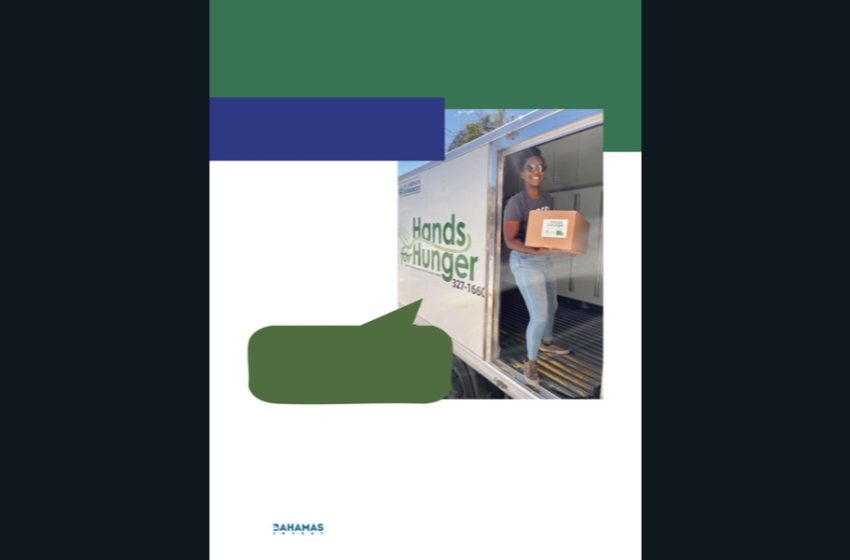
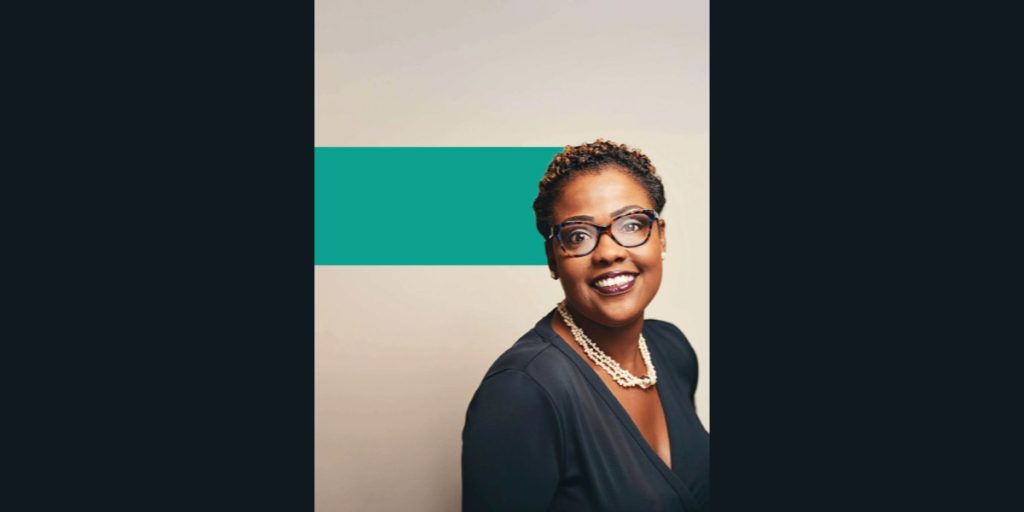
From communications manager to executive director, Keisha Ellis has risen through the ranks of Hands for Hunger with vision and determination. Her 10year journey is more than just a career progression, it’s a testament to how passion, persistence, and purpose can shape a leader who not only tells a story but transforms it into lasting impact for communities across The Bahamas.
Ellis has a master’s degree in international political economy and her first degree is in marketing. However, she always knew that she wanted a career that helped others.
“I just didn’t really know if that was an option for me, especially since I moved back home. I kind of knew that if I stayed in Europe or lived in the United States that there would be this opportunity to do non-profit work or philanthropy or community development. I wasn’t hoping for it. I worked at Foreign Affairs for a little while and I worked at the then College of The Bahamas, and they were close enough to what I wanted. And then, low and behold – Hands for Hunger was looking for a communications manager.” Soon after, she moved to strategic initiatives which Ellis said was “much more rewarding”. She then became executive director of the organization.
She noted that as a woman, she has a certain level of empathy in her role.
“I have a certain level of empathy that I don’t think leaders have been taught to cultivate. I think the empathy that I have for the team that I work with as well as the clients that come to us for help, “I think I couldn’t believe that an opportunity arose and that I was able to take advantage of that opportunity. I think that even during my college career, I always thought that it would be amazing that I could do good work, and my work would empower communities and help people,” I think that allows me to take a look at things from a different perspective and not necessarily run the organization, manage the team or help clients in the very same way that others have had in the past,” Ellis explains.
I feel that because I’m not afraid to lean into my empathy, I am able to make decisions that kind of help the other people involved in a more wholistic way and that in turn translates into more production from the team, more interest in doing work and being able to help more people.
“People can be taught that it is okay to be empathetic or taught to interact with people in a way that will create empathy.” She added that having a woman’s intuition also helps.
“Women offer that 360 vision that women are known to have. That ability to see what’s going on across and around society and into little pockets of society. From my perspective as a woman, we have more capability or perhaps more patience for looking at the smaller things and how the smaller things fit into the bigger picture. Women traditionally have stronger friend relationships and that’s because we have the ability to juggle meaningful relationships that could allow us to do the same thing in the philanthropy sector.” However, it is a tough challenge balancing empathy and the Hands for Hunger mission. “Our mission is not to solve every problem in each individual that we interact with by extension the country. Sometimes, you can feel an obligation to extend your reach – if I can do more – things would be better. But that is not practical in any organization. Just reminding the team that we provide food and remaining steadfast in that allows us to make the practical decisions that we need to make,” Ellis said.
“What we can do is provide food to other organizations that are doing that work. I would say remaining focused on our mission, setting budgets, setting a plan and knowing what it is you want to achieve each month and each year and then sticking to that. That allows us to see what we can do this year and next year as well. When we do that, it reins in our empathy and compassion to make sure that we are achieving what we set out to achieve.” One of the most creative and bold moves Ellis has made as a leader is the organization’s client choice pantry.
“When we decided that Hands for Hunger needed to go higher, after Hurricane Dorian and Covid, we realized that we have the capacity to do more and therefore, we were obligated to do more. When I decided what that should look like, I started to do research and realized that there were other client choice pantries that exists in other parts of the world. I thought that is something we can try here. It was that I wasn’t so concerned with doing things exactly the way they had been done before,” she said. Measuring impact is easy for Ellis.
While Hands for Hunger relies on a whole lot of data, the other way to measure impact is actually when clients no longer need to use the organization’s services.
“We’ve had clients come and tell us, ‘No thank you. I don’t need to come anymore.’ And then, we have some of those clients, come back and donate to the pantry or they come and volunteer to help the pantry. I think that’s a really good metric as well. We also have empowerment programmes every so often where we bring speakers in to provide information. We talk to our clients. We know them. We interact with them, and we get that feedback constantly. And they let us know when they are unhappy with us as well,” she said.
Ellis admits though, that as a proud mother of three, she has faced challenges, especially during the COVID 19 pandemic.
“One of the issues I faced, it’s difficult to wear all the hats all the time. I had three children one of whom was breastfeeding. We went from delivering food in food trucks to delivering food to 30,000 people across the country. We were doing that while I was also teaching a child how to read which is a very difficult job. I’m also managing the team that we have because they are looking to me for guidance and support because no one knows what is happening. I would say that was a challenge,” she said.
“It fits a bit differently as the mother and the nurturer of these children. Now that the pandemic is over, I would say that it is still difficult to wear all of those hats all the time. To be a parent, manager and have the time to meet with donors and talk about our work, have the time, energy and focus for people in the community who want to be a part of those projects.” Ellis explained that philanthropy can help show society a number of things because it is an entire sector or industry that is focused on how you can use what you have to help other people.
It can show women and girls that it is possible to make a difference and to go out and pursue change. And if you do that, there are support systems in place. There are opportunities, people and structures that exist.
There are opportunities and more so now. I have been with Hands for Hunger for 10 years and when I moved back home, I didn’t think there were opportunities out there. “So that’s my advice for anyone who wants their job to be doing good for the community and for individuals. Understand that there are opportunities out there and understand that the first step doesn’t have to be this giant leap. Philanthropy is one of those areas where you can say, ‘What would happen if I did this good thing?’ Don’t be afraid to do the thing that you know in your heart needs to be done,” she said.
“I think that the opportunity that exists for women and girls is to talk about the things that affect us and our lives; the things that we see in our communities and the various ways that society is not safe enough for women and not enough of a support system for women. I think that there are now opportunities to have these discussions. People are much more receptive to hearing these things and having conversations. Women have the opportunity to say ‘Okay world, this is a real issue that affects millions. Listen to what we have to say and this is how we are going to fix it.’”